

Features pass tests but fail users. That’s the gap BDD aims to close — by anchoring dev logic in user expectations, not just technical specs. Across teams, behavior-driven development becomes less a testing method, more a language everyone understands.
What Makes Behavior-Driven Development Different
In many sprint reviews, it happens like this: the feature works, the tests are green, but the client squints and says, “That’s not what I meant.” This is the precise crack where behavior-driven development inserts itself — not as a patch, but as a shift.
Read also: How Soft2Bet implements responsible gaming principles
Unlike traditional test-first methods, BDD begins with shared scenarios framed in everyday language. Not tech-first, but meaning-first. The syntax “Given, When, Then” acts as a behavioral filter. It captures intent before code, framing conditions from the perspective of people rather than machines.
And this matters. Because behavior isn’t clean. A button may trigger an API call flawlessly, yet confuse the user in context — after a form refresh or on a slow network, for example. BDD acknowledges such edge conditions by frontloading the “why” into the “what.”
But that’s the theory. In practice, it’s slower at first. Frustrating, even. Then something shifts. Less rework. Fewer misfires. And meetings begin with stories, not spec sheets.
Aligning Test Cases with UX Goals
There’s an awkward truth in most design-to-dev handoffs: test cases are written in the language of systems, not sensations. BDD reverses this flow. It reframes tests as behavioral narratives, tethered to user intent.
Take a search function. The system might test input length, result counts, fallback behavior. But what if the user hesitates after typing? Or misinterprets the placeholder? BDD encourages teams to ask these questions early, and write tests that reflect them.
The alignment is not abstract. It’s practical: product managers write scenarios, QA teams automate them, and designers revise based on behavioral gaps. The key isn’t coverage — it’s resonance.
A note from the field: one team noticed support tickets dropped by 40% after rewriting tests based on real chat transcripts. Not because the code changed, but because their assumptions did. It’s less about correctness, more about coherence. And that’s harder to fake.
Collaboration Through Shared Language
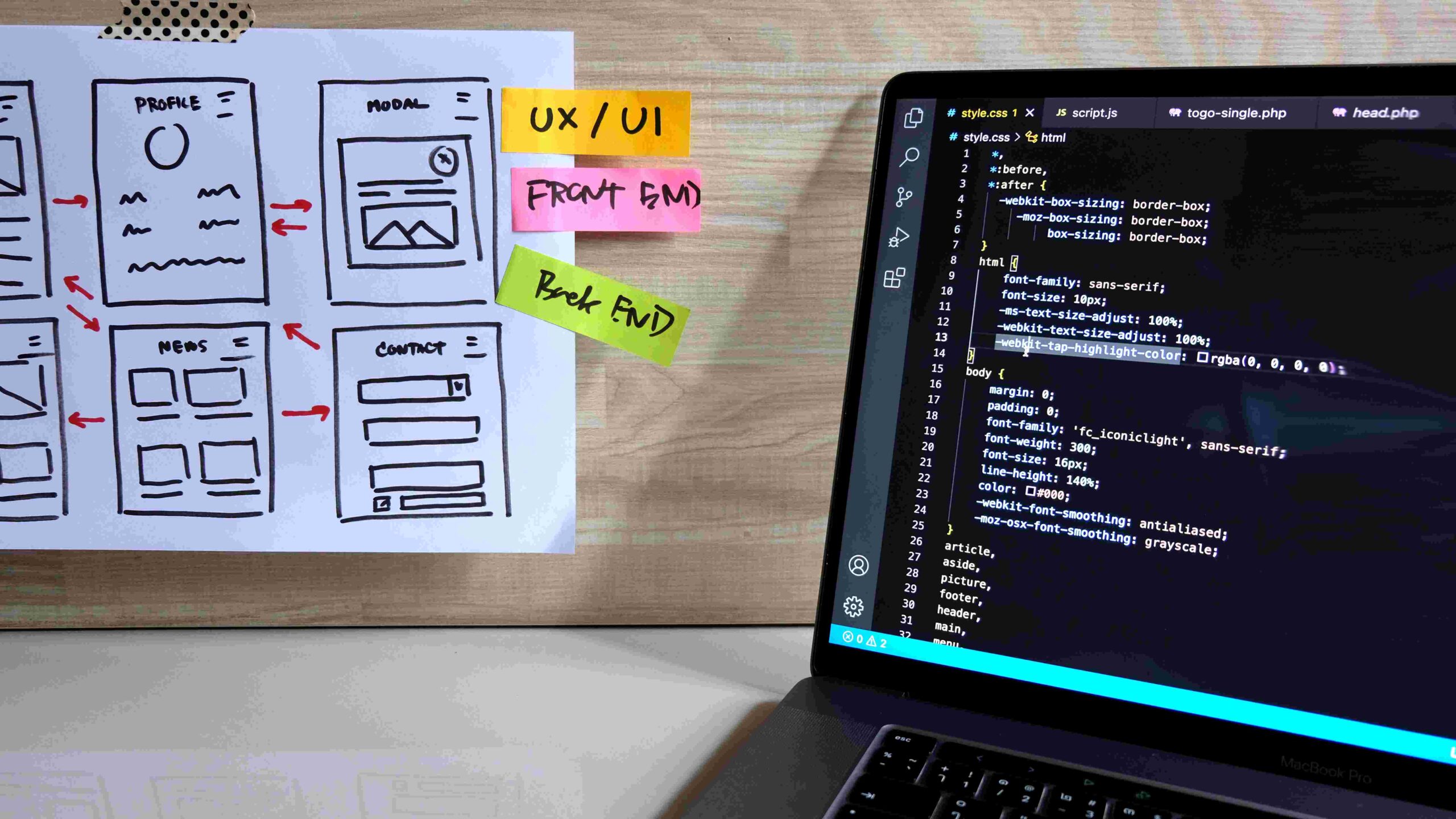 Here’s where the phrase “BDD in frontend testing” gets real weight. Most frontend bugs aren’t failures of logic — they’re failures of understanding. Misreadings of context. Styling that breaks on Safari. Behaviors that work on staging but collapse under real user pace.
BDD’s strength lies in collapsing silos. A test that reads “Given I am a first-time visitor…” instantly aligns design, development, and QA. Everyone speaks the same sentence — albeit from different angles.
More than once, developers notice odd phrasing in the scenarios and circle back: “Should the user even see that prompt?” That’s the win. Not catching errors, but preventing misalignment from being written into the product in the first place.
BDD scenarios become anchors, and sometimes, arguments. Which is fine. Healthy teams argue about behavior, not blame.
Practical Steps to Introduce BDD in Web Workflows
Introducing behavior-driven development doesn’t require full rewrites. It works best when layered — selectively, iteratively. Below are practical ways to integrate BDD into existing web projects:
- Start with one user story per sprint. Translate it into Given–When–Then format collaboratively.
- Involve non-dev roles in writing scenarios. Analysts, designers, even support staff can highlight behavior gaps.
- Choose tools that mirror human syntax. Cucumber, SpecFlow, or even Markdown templates.
- Use failures as feedback loops. When a test fails, ask why the behavior broke, not just which line did.
- Document decisions as narratives. Replace “Test Passed” with “User can complete purchase after applying discount code.”
Early on, resistance is common. It feels verbose. But verbosity reveals assumptions — and that’s the point. One dev noted that using BDD felt like “writing the README before the code.” That may be the clearest metaphor yet.